280E Considerations for Arizona Cultivators
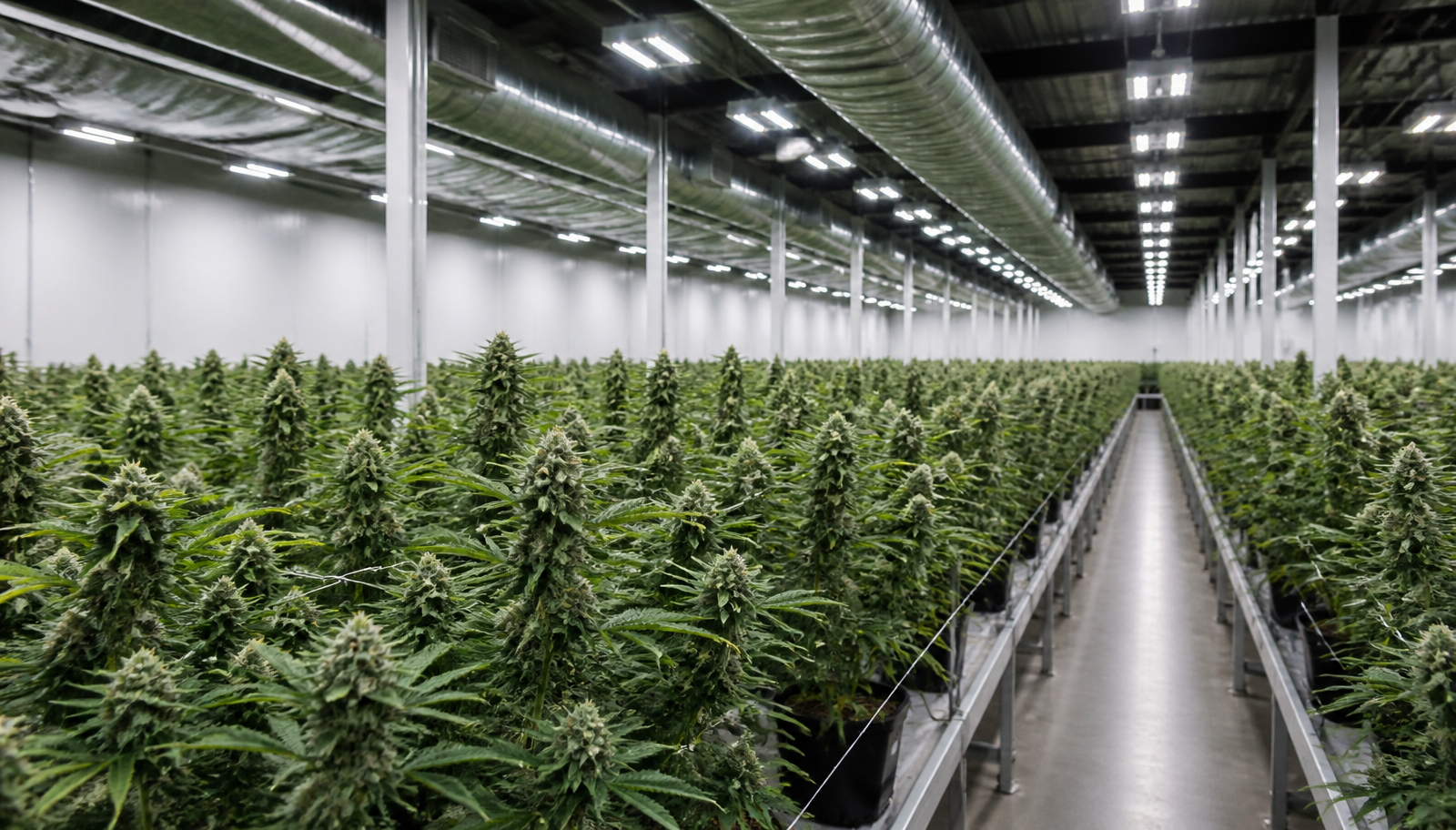
Cultivators licensed as marijuana establishments are producers, and producers capitalize a far wider set of costs into inventory than a reseller ever can. Direct materials — clones, growing medium, nutrients, amendments — direct cultivation labor with its payroll burden, and allocable indirect production costs including power, water, climate-control systems, room depreciation, integrated pest management and in-process testing all belong in inventory and are recovered through COGS as the flower sells.
That widens the recoverable cost pool dramatically compared with a retail counter. What still falls outside it is the sales, marketing, executive and general administrative layer. The line between production activity and administration therefore has real dollars riding on it, and it needs to be drawn with actual measurements: square footage by function, time records by role, sub-metered or documented utility allocation.
Arizona's income tax return generally follows the federal disallowance under 280E rather than decoupling from it, so the permanent difference between book income and federal taxable income should be scheduled and tracked through the year rather than reconstructed at filing time.
- Inventoriable: cultivation labor, power, water, nutrients, grow-room depreciation, QA
- Disallowed federally: sales, brand marketing, executive and office administration
- Allocation support: floor plans, time records, sub-metered utility data
Cost Accounting, Inventory and Seed-to-Sale Tracking in Cultivation
Costs should accumulate by harvest batch through propagation, vegetative growth, flowering, harvest, drying, curing and trim. Cost per pound and per gram is computed at harvest and released to COGS as that flower sells; unsold harvest stays on the balance sheet as inventory rather than being expensed in the growing period. Skipping this step overstates loss in one period and overstates profit in the next.
Seed-to-sale systems govern plant tags, immature plant lots, harvest batches and package creation, and financial inventory needs to follow the same genealogy: plant counts and harvest weights in the tracking system should tie to the batch cost records, with wet-to-dry weight loss documented as a normal process characteristic rather than showing up as an unexplained variance.
Where wholesale flower pricing in the Arizona market falls below accumulated cost, inventory needs a lower-of-cost-or-market review so the balance sheet isn't carrying value the market simply won't pay for.
Tax Planning and Recommended Services
Facility climate control drives cultivation planning in the desert Southwest. Summer cooling and dehumidification loads in Phoenix, Maricopa County and outlying growing regions push utility spend well above what a cooler-climate operator would see, so a cash model built around seasonal utility peaks, a financing plan for equipment, and an estimated-tax schedule keyed to expected sell-through are core deliverables. Multi-tier facilities layer in heavier depreciation and allocation questions on top of that.
We build the accounting system first and let the tax return follow it. If you operate a licensed Arizona cultivation operation, a diagnostic review will quantify what your current treatment is costing you before any engagement begins.