280E Considerations for Arizona Delivery and Transport Operators
A licensed delivery or transport operation faces the same reseller limitation as a storefront dispensary, layered on top of a cost structure weighted toward exactly the expenses 280E disallows: drivers, vehicles, insurance, fuel, dispatch software, marketing and customer acquisition. Getting product to the customer's door is a selling expense; only the inbound cost of acquiring inventory is inventoriable.
That makes unit economics unforgiving. A delivery operator has to earn its margin through basket size, order density and driver utilization, because there's no federal tax relief on the cost of the last mile. Those costs generally remain ordinary deductible expenses for other purposes, which softens the blow but doesn't remove it.
- Inventoriable: product cost and inbound freight only
- Disallowed federally: drivers, vehicles, fuel, insurance, dispatch, advertising
- Cost per delivered order is the number that determines whether the model works
Cost Accounting, Inventory and Seed-to-Sale Controls on the Road
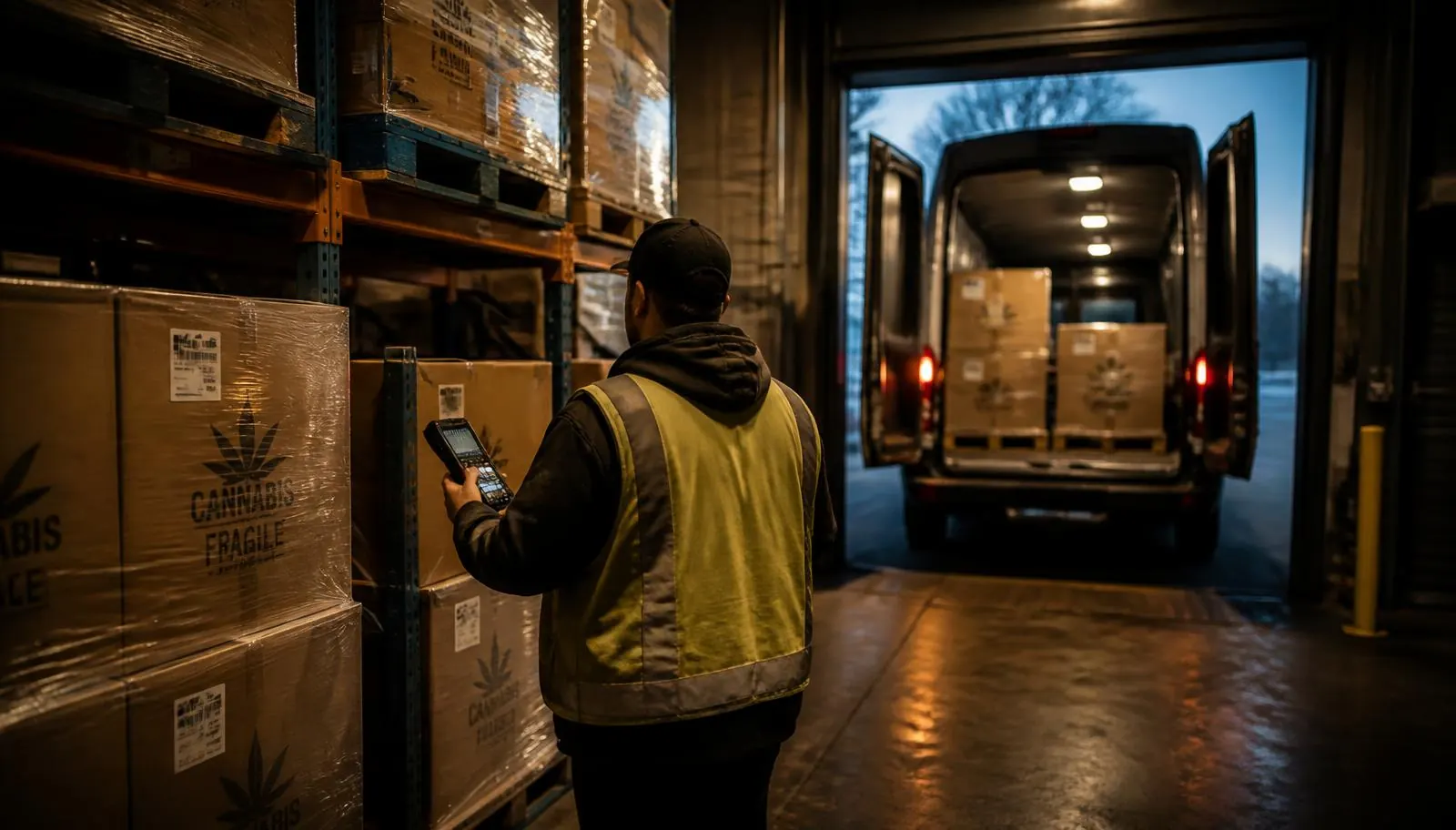
Delivery inventory doesn't sit still. Product loaded into a vehicle remains the operator's inventory the entire time it's out, and it needs to be reconciled against the tracking system at the end of every shift. That daily cycle — load out, sell, return, reconcile — should produce a signed record tying back to the seed-to-sale system and the POS, with returns and undelivered orders restocked and logged the same day.
Field cash collection adds another control layer: driver-level cash accountability, sealed deposit procedures and same-day counting under dual control. When shrinkage shows up in a delivery operation, it's almost always in the gap between the vehicle manifest and the end-of-shift reconciliation.
Unit costing should be built at the order level: product cost, driver time, mileage, and an allocated share of dispatch and insurance. Reported by zone and time of day, it tells the operator exactly where to expand service, where to raise minimum order size and where to stop delivering altogether.
Tax Planning and Recommended Services
Planning centers on vehicle and equipment treatment, driver classification, insurance cost management, and estimated payments computed against gross profit rather than book income. Operators expanding delivery service across Maricopa County and Pima County municipal lines also pick up multiple TPT jurisdiction registrations that each need to be tracked separately.
We build the accounting system first and let the tax return follow it. If you operate a licensed Arizona delivery service, a diagnostic review will quantify what your current treatment is costing you before any engagement begins.