280E Considerations for Arizona Infused-Product Processors
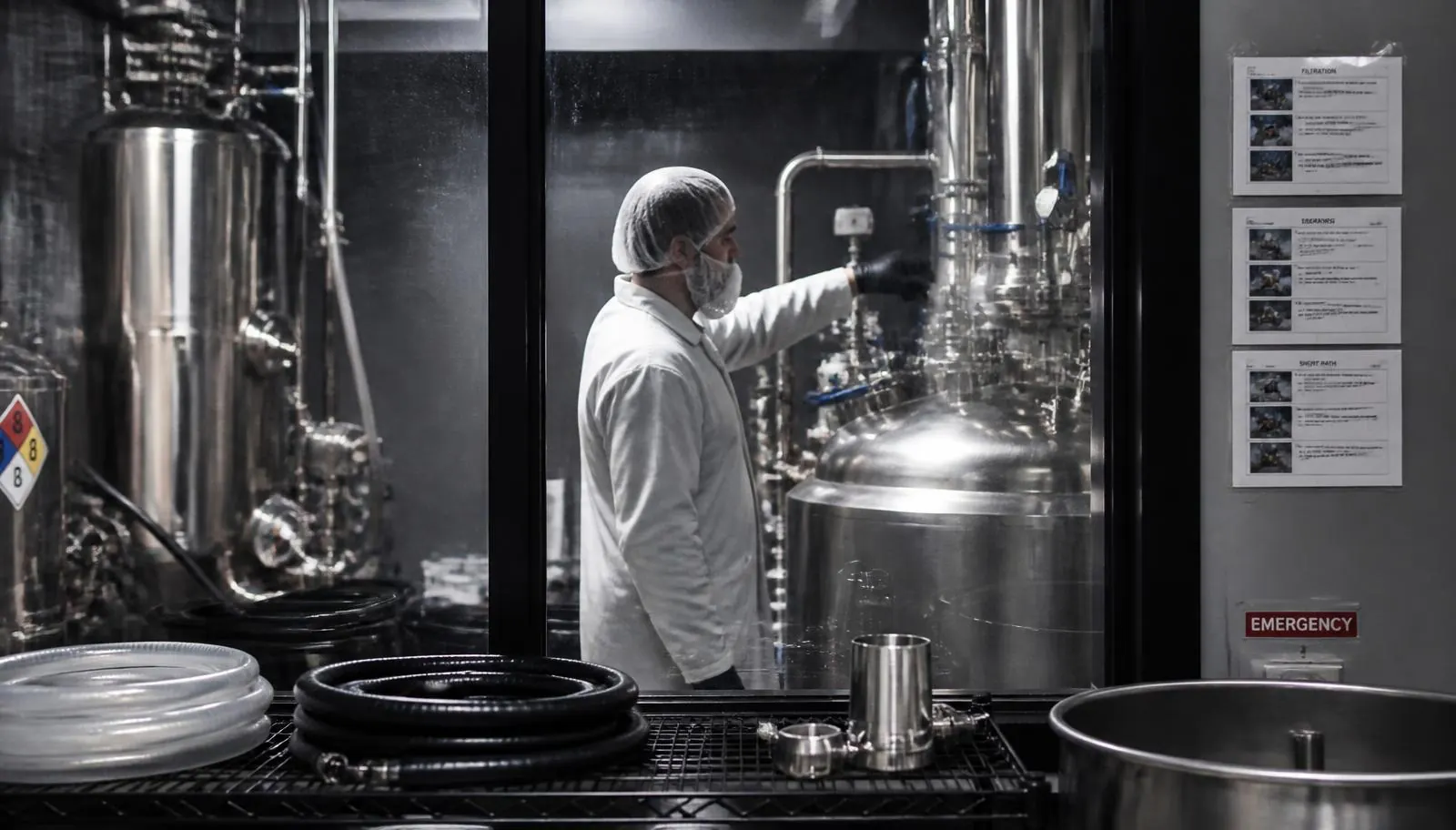
Producing edibles and topicals — batching, dosing, molding, packaging and labeling — is production activity, so processors capitalize direct labor, equipment depreciation, occupancy cost for the production kitchen and the consumables that become part of the finished product. For operators whose entire business is conversion labor, the share of total cost that's inventoriable can run very high, which makes accurate labor time capture the dominant tax issue in this segment.
Where a processor never takes title to the material — infusing or packaging under contract for a cultivator or brand — the arrangement is a service, and the 280E analysis turns on whether that activity itself amounts to trafficking. Most contract processing of cannabis-derived material is plant-touching and separately licensed, so the safer default assumption is that 280E applies and inventoriable cost is the available relief.
- Inventoriable: processing labor, equipment depreciation, production-space occupancy, consumables
- Contract work: revenue treatment depends on who holds title to the material
- Task-level labor time capture is the highest-value control in this segment
Cost Accounting, Inventory and Seed-to-Sale Tracking for Processing
Throughput accounting drives the economics of infused-product manufacturing: units produced per labor hour, batch yield per shift, and the cost difference between hand-dosed and machine-dosed product including any quality premium that shows up in the sale price. Those metrics only exist if labor is captured by task and tied to output quantity.
In the state inventory system, processing consumes and creates packages while changing weight and form significantly. Trim and byproduct, testing samples, and waste each need a documented treatment. Byproduct with resale value — trim sold on to an extractor — should be assigned a cost rather than treated as free, because a zero-cost byproduct overstates its own margin and distorts the cost of the primary finished product.
Tax Planning and Recommended Services
Processors typically run thin margins on high volume, so estimated payment accuracy and working-capital timing matter more than exotic tax structuring. Where the operation also holds a cultivation or dispensary license, intercompany pricing and clean cost separation between activities become the main planning levers.
We build the accounting system first and let the tax return follow it. If you operate a licensed Arizona processing operation, a diagnostic review will quantify what your current treatment is costing you before any engagement begins.